
Péče po hygieně: co dělat po čištění zubů a jak udržet zdravé dásně
When you get your teeth cleaned, you might think the job is done. But péče po hygieně, soubor kroků, které zabraňují návratu zubního kamene a zánětu dásní. Also known as domácí údržba po profesionálním čištění, it is what keeps your mouth healthy long after the hygienist puts away her tools. Many people skip this part—and that’s why their gums start bleeding again in just a few months.
After a professional cleaning, your gums are sensitive. They’ve just been freed from years of plaque and tartar buildup. If you go back to brushing too hard or skip flossing, you’re setting yourself up for trouble. zubní kámen, tvrdý nános bakterií, který se tvoří, když se plak neodstraňuje pravidelně doesn’t come back overnight—but it doesn’t take long either. The key is consistency. Brush twice a day, but don’t overdo it. Use a soft brush. Floss daily. Rinse with water or saltwater if your gums feel tender. You don’t need expensive mouthwashes. Just clean properly.
And don’t ignore the signs. If your gums bleed when you brush, that’s not normal. It’s your body saying: "I’m inflamed." dásně, měkké tkáně kolem zubů, které chrání kořeny a podporují zuby v čelisti are not just there for looks. They’re your first line of defense. When they’re healthy, you rarely get cavities or loose teeth. When they’re not, everything else follows. That’s why even after a deep cleaning like kyretáž, hluboké čištění pod dásní, které odstraňuje infekci a způsobuje hojení, your daily habits matter more than ever.
You might wonder: why do some people never have problems, while others keep going back to the hygienist every three months? It’s not luck. It’s routine. The people who succeed are the ones who treat their mouth like a car that needs regular oil changes—not just when it breaks down. Brushing isn’t just about removing food. It’s about stopping bacteria before they turn into damage.
Don’t wait until your gums hurt. Don’t wait until your teeth feel loose. The best time to start good habits is right after your cleaning. That’s when your mouth is cleanest—and easiest to keep that way. Use the right tools, be gentle, and stick to it. No magic products. No quick fixes. Just simple, daily care.
Below you’ll find real advice from people who’ve been through it: how to handle bleeding after cleaning, what to avoid after a deep scale, how to clean your teeth if you have implants or dentures, and why skipping floss is the biggest mistake most people make. These aren’t theories. These are things that actually work—and they’re all based on what happens after the hygienist leaves the room.
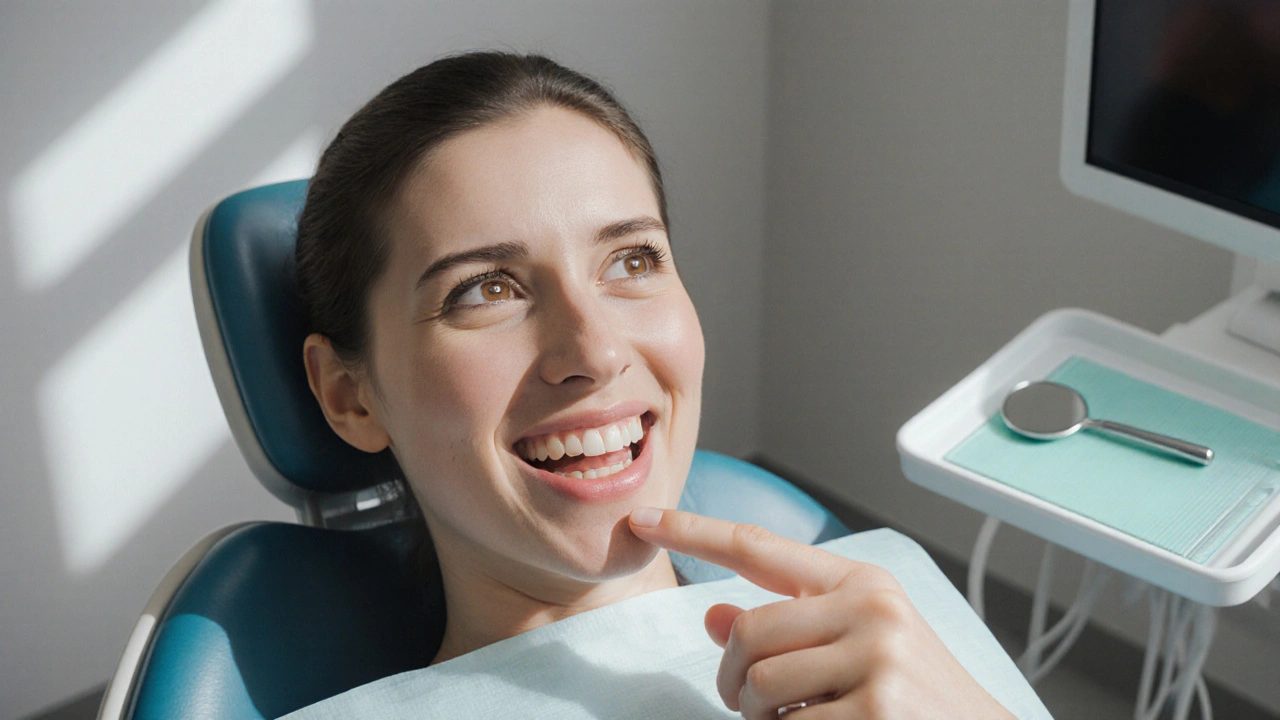
Po odstranění zubního kamene se mohou dásně citlivět a zuby barvit. Víte, co dělat, aby se kámen nevrátil? Zjistěte, jak správně péči o zuby po hygieně a jak zabránit návratu kamene.